Audio Explained
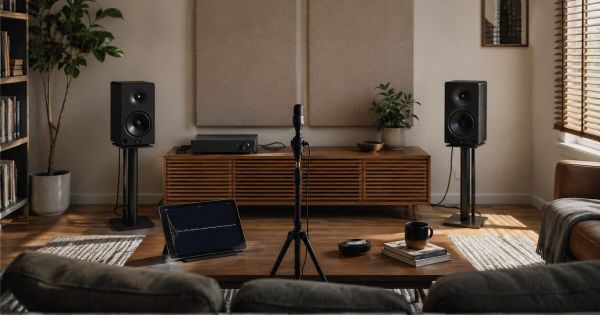
How to Use Room Correction Without Making Sound Worse
Measure room correction correctly, choose a safe target curve, compare results and avoid filters that make a good system sound worse.

Step-by-step setup, troubleshooting, and optimization tutorials for home and multi-room audio.
Audio Explained
Measure room correction correctly, choose a safe target curve, compare results and avoid filters that make a good system sound worse.
Audio Explained
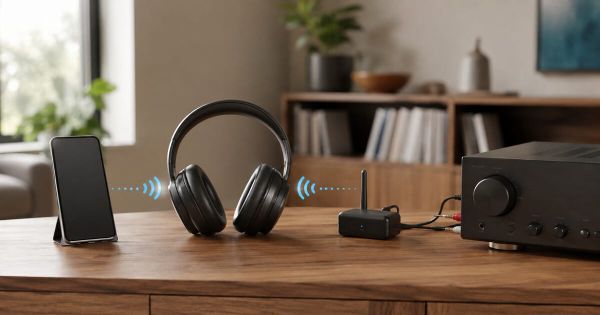
Find why Bluetooth falls back from LDAC or aptX, match source and receiver codecs, and fix Android, Windows, USB-dongle and headset problems.

Audio Explained
Wire passive speakers correctly, identify reversed polarity, restore thin bass and a weak center image, and avoid common bi-wire terminal mistakes.
Audio Explained
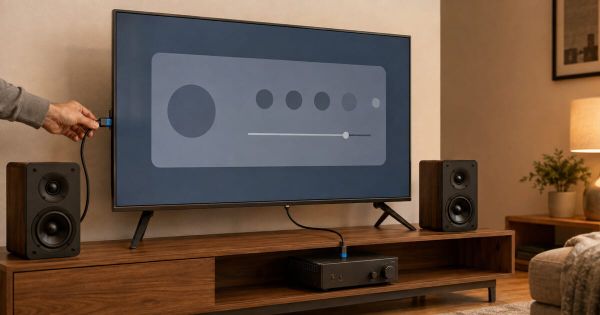
Fix TV audio silence, dropouts and lip-sync problems by testing HDMI ARC/eARC, CEC, PCM, source formats and optical fallback in the right order.
Audio Explained
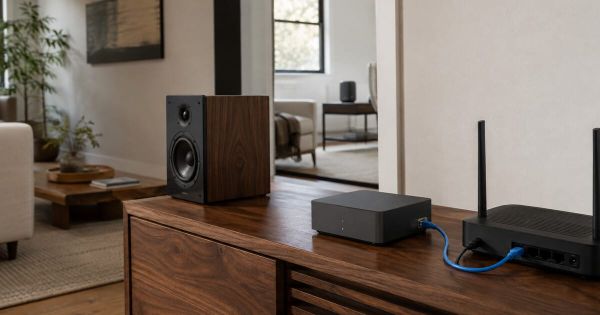
Choose Wi-Fi or Ethernet for a network streamer, diagnose dropouts and discovery problems, and build a more reliable multi-room audio system.
Audio Explained
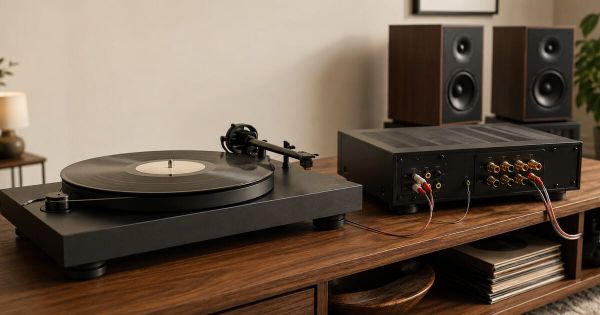
Connect a turntable without weak sound, distortion or hum by matching PHONO/LINE level, grounding and MM/MC cartridge compatibility.
Audio Explained
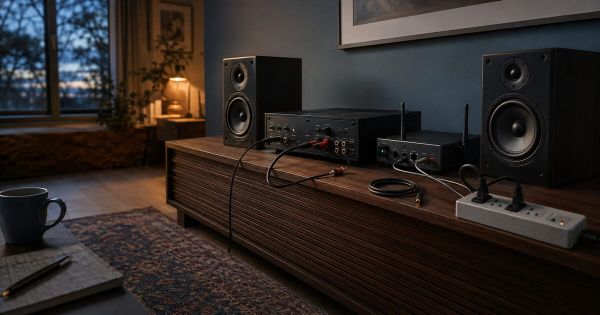
A safe step-by-step method to isolate hum, buzz and ground loops in stereo, phono, subwoofer, TV and USB audio systems.
Audio Explained
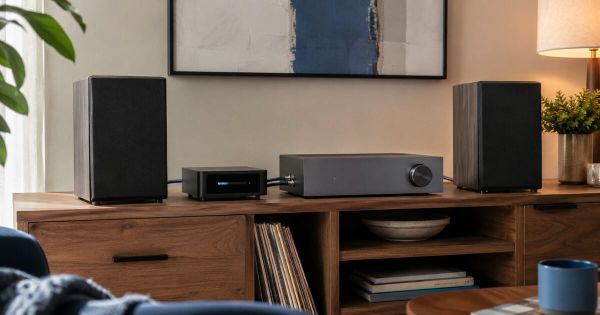
Choose one safe master volume control across a streamer, DAC, amplifier or powered speakers—and avoid full-level surprises.
System Setup & Bottlenecks
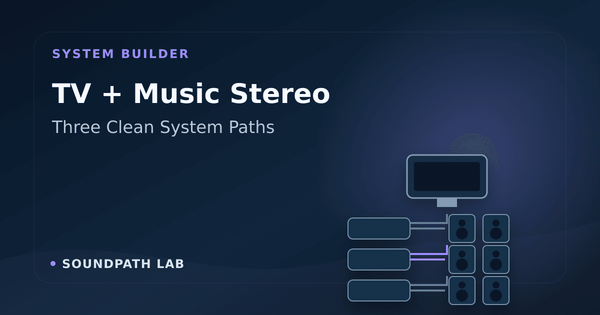
Three clean ways to combine TV sound and music streaming without adding unnecessary converters, preamps or switches.
Audio Explained
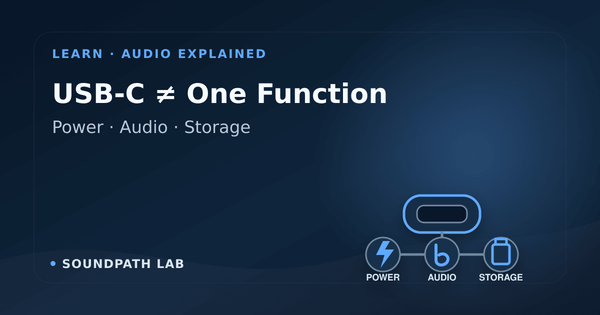
A USB-C connector does not reveal whether a product supports power, computer audio, storage, digital output or all four.
Audio Explained
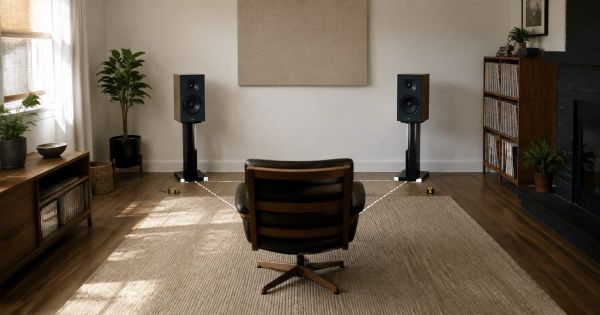
Set up stereo speakers with a repeatable process for listening position, symmetry, distance, height, wall clearance and toe-in—before spending money on treatment or EQ.
Audio Explained
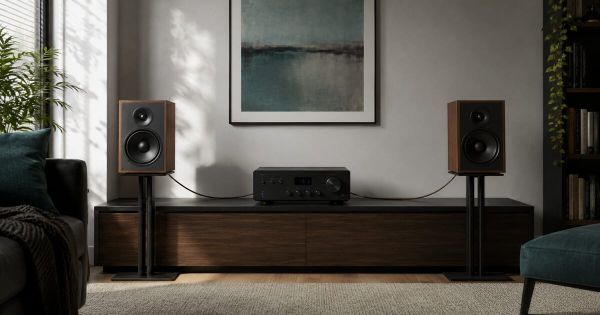
Match an amplifier to passive speakers using impedance, sensitivity, listening distance, clean power and headroom—not a single wattage number.